Three names come up whenever Portugal is mentioned, and they get treated as if they were interchangeable. They are not. Lisbon is a capital with a capital's energy and prices. Porto is smaller, damper and easier on the wallet. Madeira is an island with an unusual concentration of remote workers and a rhythm all of its own. The right pick depends less on which one is "best" and more on what your average Tuesday actually looks like.
Lisbon: the default, with the trade-offs to match
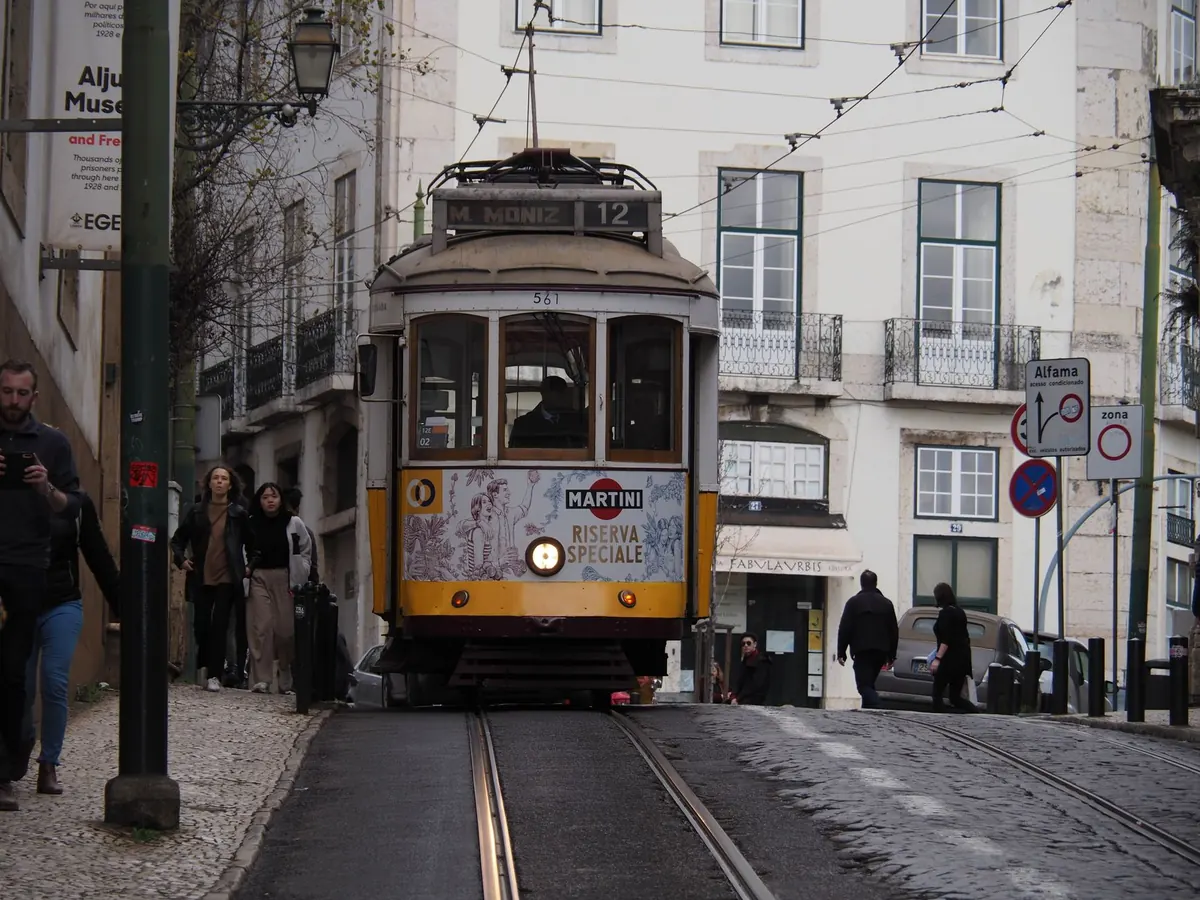
Most people land in Lisbon first, and there are good reasons for that. Flights from the UK and the rest of Europe are plentiful, the time zone matches London year-round, and the remote-working infrastructure is mature. Walk into most central cafés and you'll find at least two people on a video call. Coworking spaces cluster around Baixa, Santos and Alcântara, and there's a steady calendar of meetups, running clubs and language exchanges.
The trade-off is cost and noise. Rents have climbed sharply over the past decade and short-let demand keeps them high. If your budget is tight, look beyond the centre — Almada and Cacilhas sit across the river, the ferry crossing is quick, and the rent is noticeably lower. The city is also hilly, busy and loud, which some people love and others find exhausting after a month.
Weather-wise, Lisbon gives you mild winters, hot dry summers and a lot of sunshine. Rain falls mainly between November and March, but rarely for days on end.
Who Lisbon suits
Anyone who wants a big-city base with strong connections, doesn't mind hills and traffic, and is willing to pay for convenience. If you need to be near an airport and a decent hospital, this is your safest bet of the three.
Porto: the quieter, cheaper alternative
Porto is under three hours north of Lisbon by fast train, and it feels further than that. Smaller, more walkable, wrapped around the Douro. Rents are generally lower than the capital, and eating and drinking out costs less too. The startup and tech scene is real and growing, and you'll find good coworking options within walking distance of the centre.
The catch is the weather. Porto is wetter and cooler, particularly from November through March. If your mood depends on daylight, this is not a minor detail — it's the single thing that sends people back south. The city also has fewer direct long-haul flights, so regular trips across the Atlantic usually mean connecting through Lisbon or Madrid.
What you get in return is a more manageable city, excellent food, and a lower monthly burn. Many nomads find they save enough here to stay longer than they could in Lisbon.
Madeira: island living with a ready-made community
Madeira is a different proposition entirely. It's a short flight from Lisbon — under two hours — but the pace changes the moment you land. Funchal is the main base, and the Digital Nomads Madeira programme, run out of Ponta do Sol, provides coworking space and events that have given the island a genuinely tight-knit remote-working crowd. If you're arriving alone and want community handed to you, that matters more than any spreadsheet.
The climate is mild year-round, warmer than the mainland in winter, and there's hiking, sea swimming and a slower rhythm. Two practical points: the island is mountainous and the weather varies enormously by side, with the south drier and sunnier and the north wetter and windier. Public transport outside Funchal is limited, so many people rent a car or scooter. And it's small — after a few months, you'll recognise half the people in your local café.
At a glance
- Cost: Lisbon is the most expensive of the three. Porto is generally the cheapest. Madeira sits in between, though Funchal has risen steadily.
- Internet: Fibre is widely available across all three. Speeds in city centres are usually fine for video calls. Always ask your accommodation for a recent speed test screenshot before you book.
- Weather: Lisbon is sunniest and driest. Porto is wetter and cooler. Madeira is mild and spring-like, with big local variation.
- Community: Lisbon has the largest and most scattered scene. Madeira's is smaller and more organised. Porto's is friendly but quieter.
- Getting there: Lisbon wins on flights. Porto is well connected. Madeira requires a connecting flight.
- Pace: Lisbon is busy, Porto is a relaxed city, Madeira is the slowest of the three.
Visas, tax and admin: sort this before you book
This is the part people leave until the last minute, and it's the part that causes the most stress. The rules differ sharply depending on your nationality, so check your own position rather than trusting a forum post.
For short stays, many non-EU visitors get 90 days within any 180-day period across the Schengen area. For longer stays, Portugal operates a remote-work visa route, along with other residency options. Requirements and appointment waiting times change, so confirm the current position with the Portuguese consulate in your country or an immigration lawyer before you commit to anything.
On tax: spending more than 183 days in Portugal generally makes you tax resident, which can affect what you owe elsewhere. Portugal's tax incentives for new arrivals have been narrowed in recent years, so older blog posts are often out of date. Speak to a qualified accountant before you cross that threshold. This is general information, not legal or tax advice.
- Confirm how long you can legally stay on your passport, and count your Schengen days properly.
- Decide whether you're a visitor or a resident — the answer changes your paperwork, your tax position and your banking.
- Get a tax opinion before day 183, not after.
- Start visa or residency paperwork early. Appointments can take weeks.
- If you're an EU citizen staying over three months, you'll generally need to register with the local council.
How to choose without guessing
Match the place to the season you're actually going. Arriving in January and need daylight? Lisbon or Madeira, not Porto. On a tight budget and want a proper city? Porto. Want community without having to build it from scratch? Madeira or Lisbon.
The cheapest way to decide is to stop deciding. Spend a month in one, then move. Flights and trains between the three are affordable enough to test two in a single season, and a month gives you a far better read than a fortnight's holiday ever will.
One last tip: don't sign a long lease on the strength of a sunny week. Wait until you've sat through a wet Tuesday, lost power mid-call, and queued at a government office. If you still like the place after that, you've found your base.
Photo: Theo Felten / Pexels